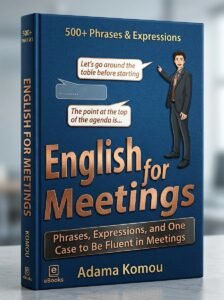
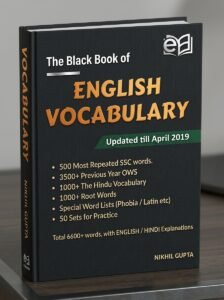
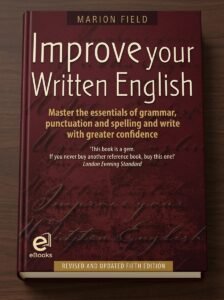
Language precision separates good writers from great ones. A handbook of word and grammar patterns serves as your essential reference for mastering British or American English. Whether you draft emails, reports, or creative content, understanding these dialectal differences prevents embarrassing mistakes and boosts credibility. This guide explores five key areas where a patterns-based approach transforms your everyday writing and speech.
British or American English: Spelling Variations Made Simple
The most visible difference lies in spelling. A handbook of word and grammar patterns highlights that British English favours “colour,” “centre,” and “realise,” while American English uses “color,” “center,” and “realize.” Other common shifts include “travelled” (British) versus “traveled” (American), and “defence” versus “defense.” Memorising these thirty core patterns eliminates guesswork. For international professionals, consistent usage signals attention to detail. Choose one dialect per document—mixing them confuses readers and undermines authority. This handbook organises over two hundred spelling pairs into quick-reference tables, saving hours of dictionary checking.
Grammar Patterns: Verb Tenses and Prepositions
Verb usage differs significantly across the Atlantic. A handbook of word and grammar patterns explains that British English often uses present perfect for recent actions (“I have just eaten”), while American English accepts simple past (“I just ate”). Prepositions shift too: “at the weekend” (British) versus “on the weekend” (American), and “different to” versus “different from.” Collective nouns offer another pattern—British speakers say “the team are playing,” whereas Americans say “the team is playing.” Learning these twelve core grammar rules prevents awkward phrasing. This handbook provides side-by-side comparisons, making dialect switching intuitive for global communicators.
Vocabulary Choices That Define Your Dialect
Word selection often reveals your linguistic allegiance. A handbook of word and grammar patterns catalogues everyday pairs: “lift” (British) versus “elevator” (American), “flat” versus “apartment,” “petrol” versus “gasoline,” and “rubbish” versus “trash.” Even numbers differ—British “billion” traditionally meant a million million, though modern usage aligns with the American thousand million. For business writing, knowing “CV” (British) versus “résumé” (American) matters greatly. This handbook groups these patterns by context—home, work, travel, and dining—so you can study relevant vocabulary first. Mastering fifty key pairs removes awkward misunderstandings in international correspondence.
Punctuation and Quotation Mark Patterns
Punctuation rules create subtle but important distinctions. A handbook of word and grammar patterns shows that British English places commas and periods outside quotation marks unless they belong to the quoted material, while American English always tucks them inside. For example: British writes ‘Hello’, he said. American writes “Hello,” he said. Additionally, British English prefers single quotation marks for initial quotes, with double inside; American English reverses this. Date formats differ too—British writes 14 April 2026 (day-month-year), while American uses April 14, 2026. This handbook presents these patterns visually, helping you internalise correct punctuation through repeated exposure rather than memorising abstract rules.
Regional Exceptions and Evolving Usage
No handbook is complete without addressing grey areas. A handbook of word and grammar patterns acknowledges that some words break predictable rules. For instance, “skeptical” (American) versus “sceptical” (British) follows a unique consonant shift. The suffix “-ise” appears in British English, though “-ize” remains acceptable per Oxford style. Meanwhile, American English consistently uses “-ize.” Modern digital communication also blurs lines—many global professionals now use mixed features naturally. This handbook tracks these evolving patterns, offering guidance rather than rigid mandates. Whether you choose British or American English, consistency and audience awareness matter most. Use this reference to write with confidence anywhere.