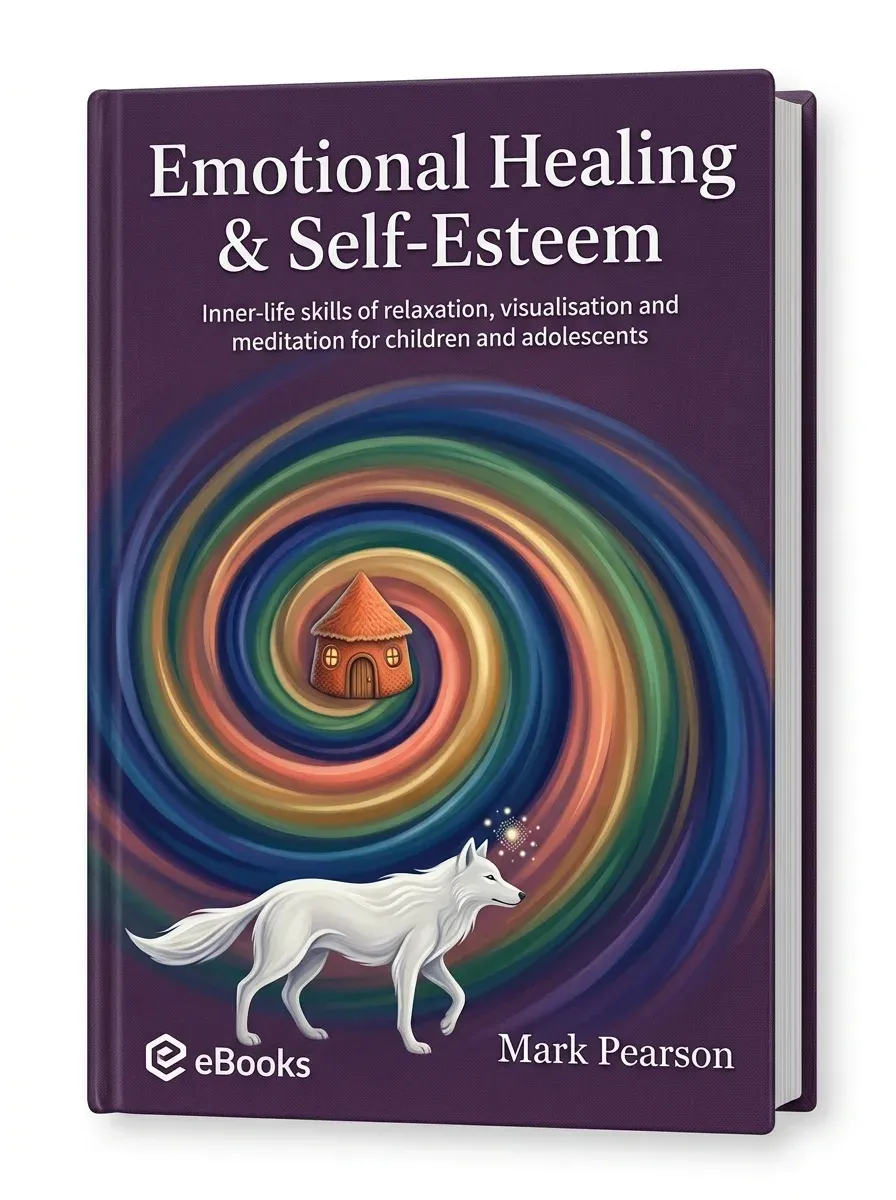
Description:
Struggling with low self-worth often signals a need for Emotional Healing & Self-Esteem restoration. This guide explores science-backed steps to mend inner wounds and build lasting confidence. By integrating daily practices, you can transform self-doubt into self-respect.
Foundations of Emotional Healing & Self-Esteem
True confidence begins when you acknowledge past hurts without judgment. Emotional Healing & Self-Esteem are intertwined—unresolved pain often masks itself as low self-worth. Start by naming your emotions, not as flaws but as signals. This awareness creates safety within, allowing old wounds to breathe. As you validate your feelings, you rebuild trust in yourself. Each small act of self-compassion weakens shame’s grip, making room for authentic self-regard.
Releasing Shame Through Self-Acceptance
Shame thrives in secrecy. To boost Emotional Healing & Self-Esteem, share your story with a trusted person or journal privately. Self-acceptance doesn’t mean condoning mistakes; it means seeing your whole self without cruelty. Practice daily affirmations that counter negative core beliefs, such as “I am worthy of care.” Over time, this rewires neural pathways, replacing inner criticism with gentle curiosity. You learn that your value is not contingent on perfection.
Daily Rituals for Inner Resilience
Small, consistent actions drive Emotional Healing & Self-Esteem. Morning check-ins—asking “What do I need today?”—honor your inner world. Set boundaries as acts of self-respect, not rejection. Physical movement, even a short walk, releases trapped stress. Evening reflections on three wins, no matter how small, train your brain to notice competence. These rituals turn abstract healing into tangible habits, reinforcing that you are worth your own time and energy.
Rewiring Negative Thought Patterns
Cognitive distortions like “I’m never enough” block Emotional Healing & Self-Esteem. Use thought-stopping techniques: when a harsh thought arises, pause and ask, “Is this fact or fear?” Replace it with a balanced statement (e.g., “I made a mistake, and I can learn”). Over weeks, this mental editing reshapes self-talk. Seek evidence of your strengths—past challenges you’ve overcome. Each reframe strengthens neural pathways of self-worth, making kindness your default response.
Sustaining Long-Term Self-Worth
Lasting Emotional Healing & Self-Esteem requires ongoing maintenance. Surround yourself with people who reflect your value back to you. Pursue goals that align with your authentic desires, not external approval. When setbacks occur, treat yourself as you would a dear friend—with patience, not punishment. Revisit your healing journey monthly to celebrate growth. Remember, self-esteem isn’t a destination but a daily practice. You are already enough, and every step forward proves it.